Building a Polar Bear with Simple Clay Shapes
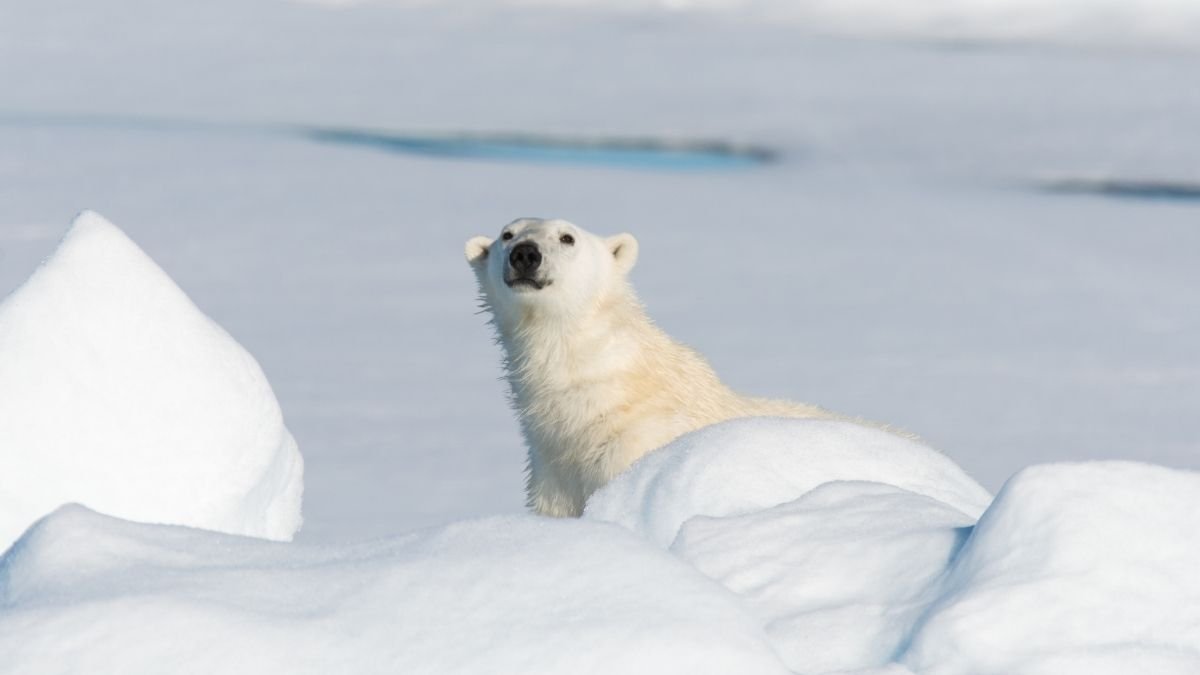
Today’s classroom-friendly project focuses on a polar bear, a great subject for lessons connected to polar regions, wildlife conservation, and climate change.
But the goal is not simply to copy a cute clay animal.
Instead, it is about how we think while we create—and how this thinking process helps children develop early 3D thinking skills.
We begin with a real object, observe it carefully, break it down into simple parts, and then rebuild it in clay using basic shapes. This approach helps learners move beyond imitation and toward structured spatial thinking.
1. Observe the Real Subject
We begin by looking at a real polar bear.
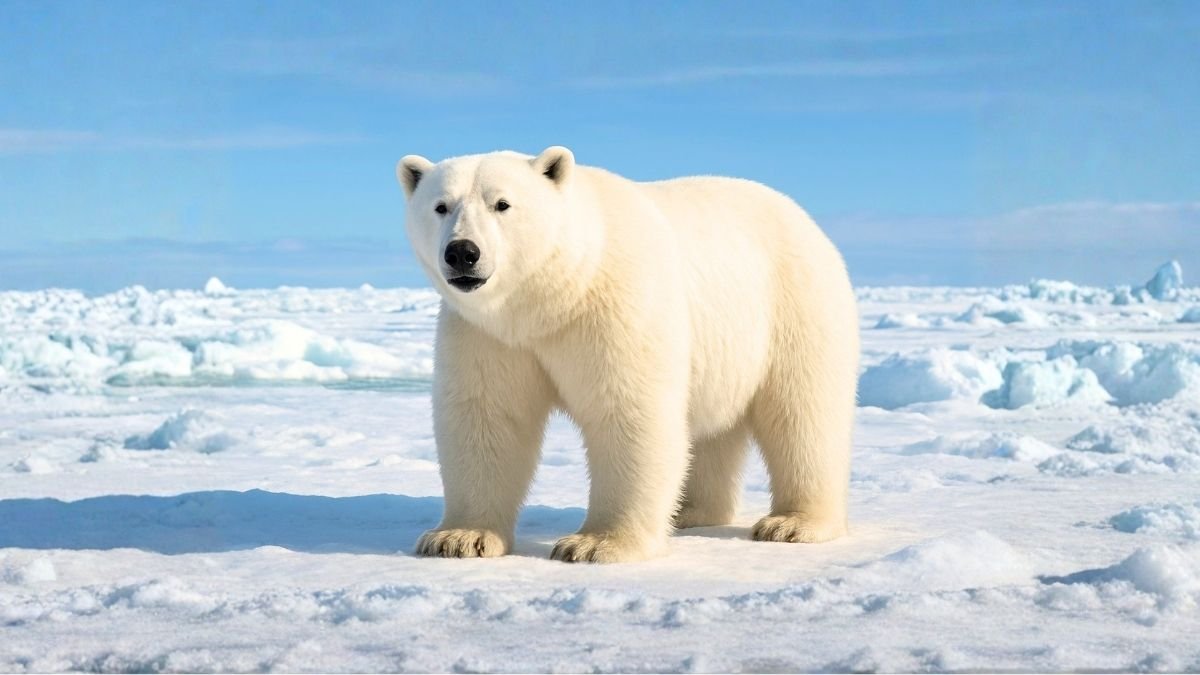
At this stage, the focus is simple:
What parts does the animal have?
How is it structured?
Head, body, legs, ears—everything is mentally broken down into simple components.
2. Break Down into Simple Shapes
Next, each part is interpreted using basic geometric forms rather than matched perfectly.
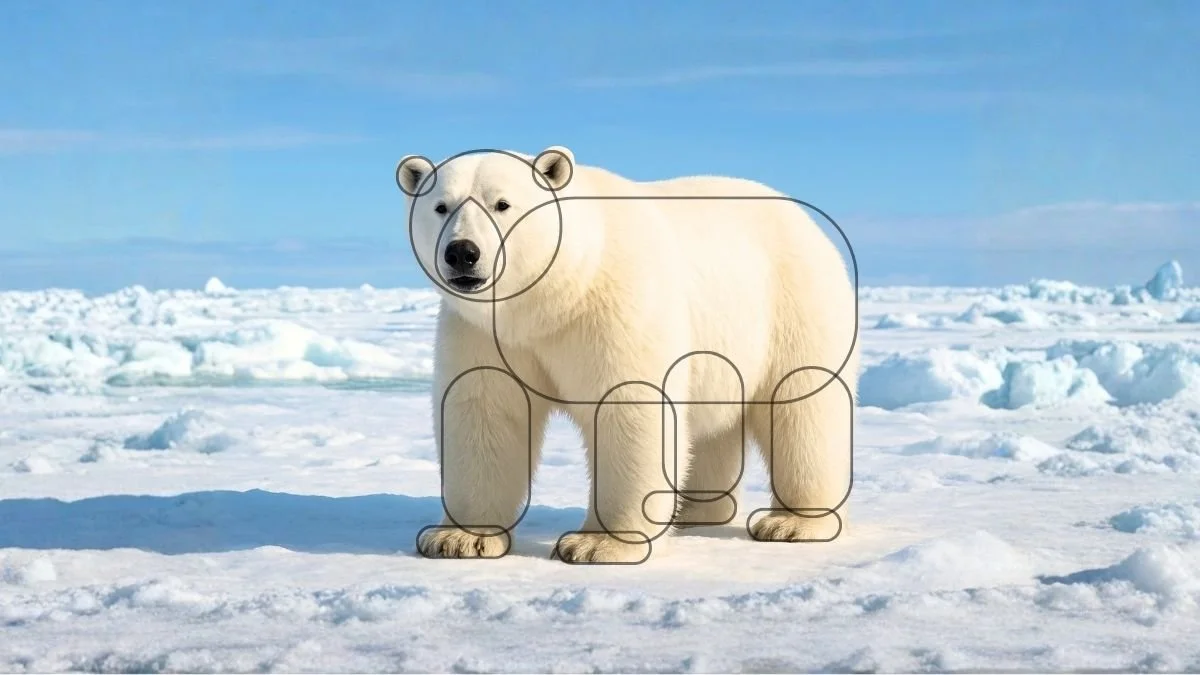
For example:
Head → sphere-like form
Body → oval-like form
Legs → cylindrical forms
This step is important because it shifts thinking from “an animal” to “a structure.”
3. Plan and Build with Clay
Now we translate those shapes into clay.
We create each part step by step, building and assembling them as we go.
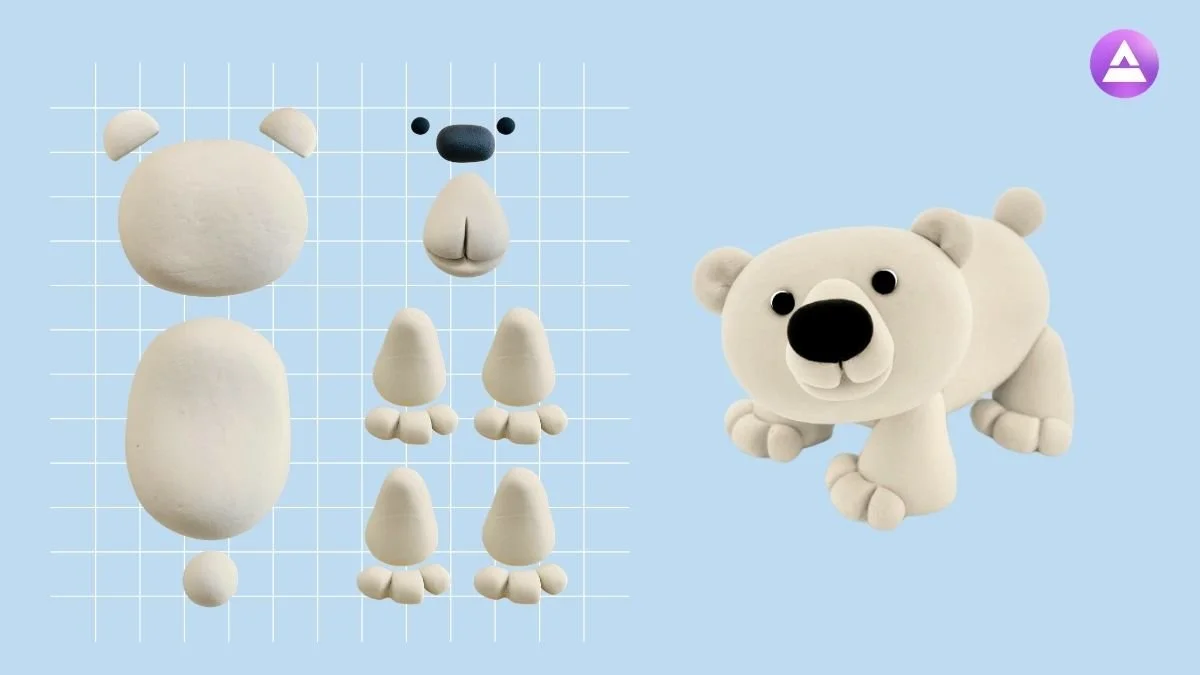
This sequence matters. It helps learners understand how complex forms are constructed from simple building blocks.
Why This Process Matters
Through this method, children learn more than just how to make a clay figure.
They practice:
breaking down visual information into parts
mentally simulating 3D structures
reconstructing objects through spatial reasoning
Over time, this strengthens their ability to mentally rotate, imagine, and manipulate forms.
This is closely connected to spatial awareness, a foundational skill in STEM learning.
Classroom Use
If it feels challenging to guide this process step by step, a classroom-ready video is available.
Teachers can use it directly in lessons so students can follow along visually while building their own clay polar bear.
👉 Watch the full step-by-step polar bear lesson video here
This is not just a craft activity.
It is a structured way of thinking—learning how to turn real-world observations into 3D creations using simple shapes.