Hands-on Play + AI Digital Learning Activity
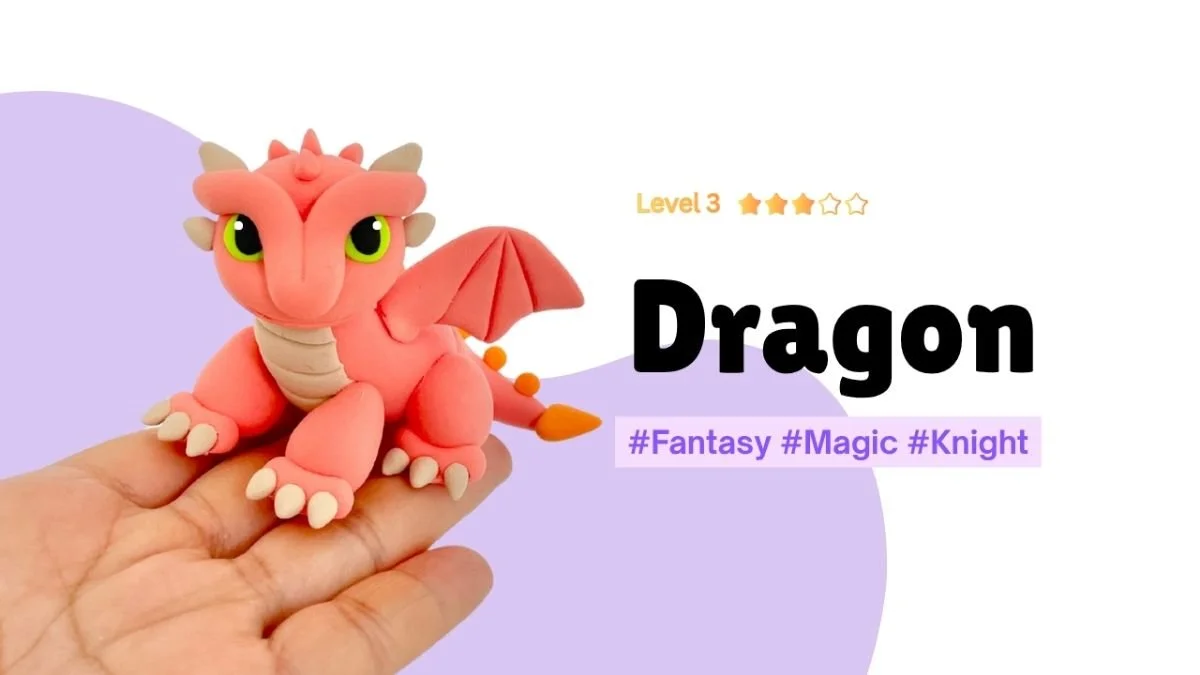
Hands-on activities are still one of the most important parts of learning.
Even in a digital age, children learn best when they touch, build, and create with their own hands.
This is where clay modeling becomes powerful—it connects thinking, imagination, and physical experience.
In this post, we introduce a dragon-themed project and explore how hands-on play can be combined with AI tools to create a more meaningful modern learning experience.
1. Activity Overview
Age: 6–10 years
Duration: 30–60 minutes
Format: Hands-on crafting + storytelling + digital extension
Lesson Flow
Observing a dragon (real image)
Breaking it into simple shapes
Making a clay dragon step by step
Expanding into AI-based digital content
2. Starting Point: Observation
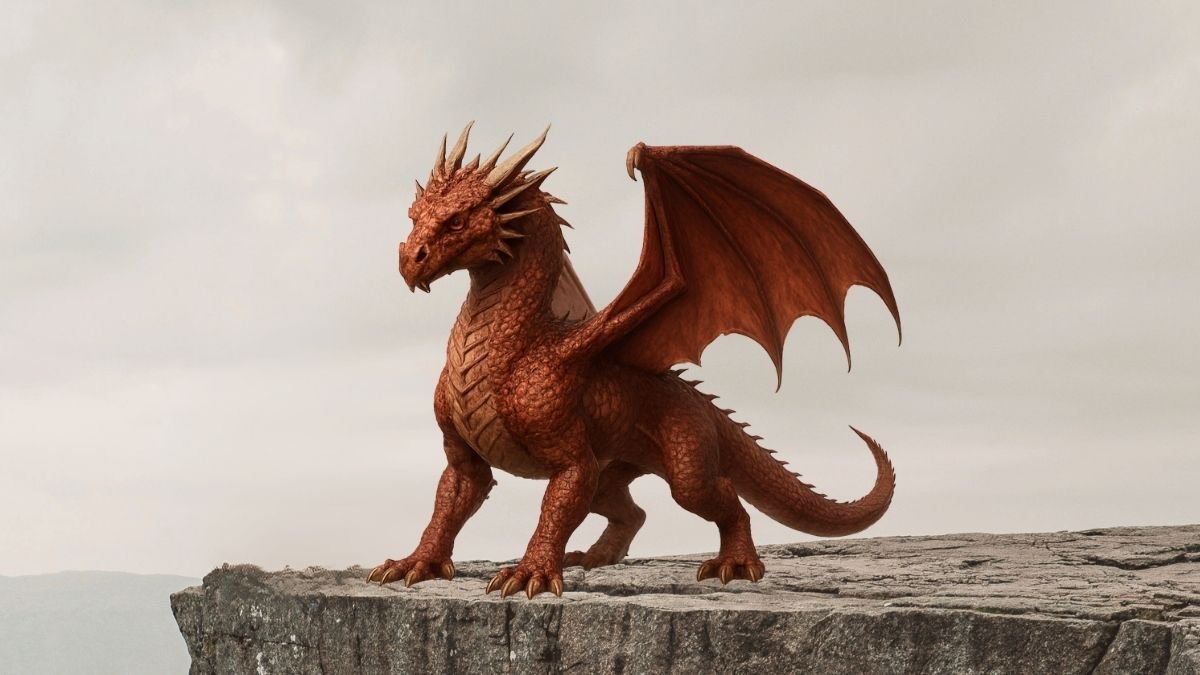
The activity begins with observation.
Children look at a dragon image and are encouraged to notice overall structure:
head
body
tail
legs
wings
The goal is not to understand the subject before creating it.
3. Breaking Down and Building the Clay Dragon
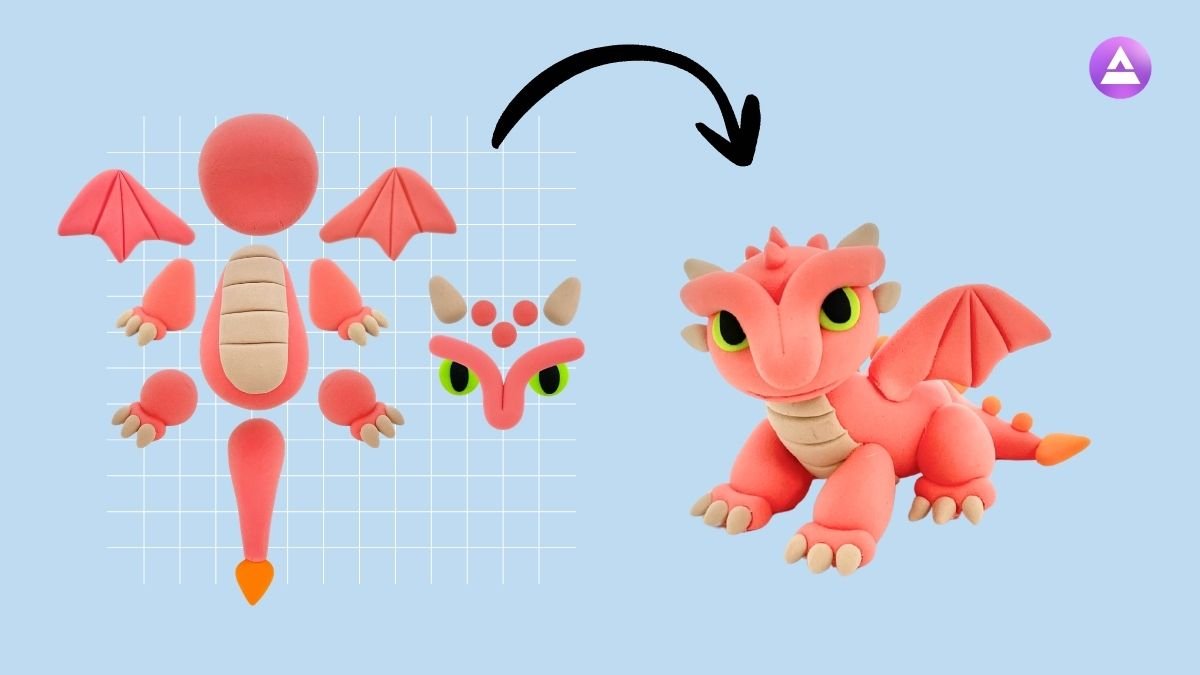
Before building the final dragon, the character is first broken down into simple shapes.
For example:
head → a ball shape
body → a bean shape
tail →a long teardrop shape
legs → sausage shapes
wings → flat teardrop shapes
This step helps children understand that complex figures are built from simple shapes.
👉 They are not starting with a “dragon” as a whole.
👉 They are starting with simple, manageable parts.
After this breakdown,
Children build the dragon step by step, creating each part one at a time and gradually completing the whole figure.
This is where hands-on learning becomes more meaningful.
They are not just following instructions—
they are actively:
combining parts
adjusting shapes
understanding structure
Through this process, children naturally move from
observation → simplification → construction
If guiding each step feels difficult, you can use a step-by-step clay video during the lesson.
Children can follow the visual process while you focus on interaction and support.
👉 Watch the full step-by-step video
4. From Clay to Digital: AI Stop-Motion Extension
After completing the clay dragon, the project can be extended into a digital learning experience using AI tools.
The clay model can be transformed into a simple stop-motion-style animation.
This allows children to:
see their creation come to life
connect physical work with digital output
understand how technology can be used to expand creativity
This step is not about replacing hands-on learning,
but about extending it.
5. Why Hands-on + AI Works Together
Hands-on activities provide:
focus
sensory experience
creative thinking
AI tools provide:
extension
visualization
storytelling support
When combined, they create a more complete learning experience.
👉 Children first build with their hands.
👉 Then they extend their ideas into digital form.
This connection helps learning feel more meaningful and modern.
Wrap-Up
The dragon clay project can be more than a craft activity.
It is a structured learning experience that connects:
observation
creation
storytelling
digital transformation
Even in a technology-driven world,
hands-on learning remains the foundation.
AI does not replace it—it helps make creative learning more powerful and useful.
Try More Projects
New clay character making videos are uploaded regularly.
You can use them directly in classrooms or homeschooling environments
to create hands-on + digital hybrid lessons.